Pets change how you live in your home and what your floors endure. Paw traffic is different from foot traffic. Claws catch, water bowls splash, accidents happen, and sunbathing dogs can fade a patch of oak faster than a rug can hide it. The right floor does not just survive pets, it makes daily care easier and keeps a clean, composed look through years of fetch, zoomies, and crate training.
Below is a practical, field-tested guide to scratch-resistant flooring for pet owners. It blends what holds up in real homes with what looks good under natural light. You will find the nuance you need to pick materials, finishes, and installation details that match your dogs or cats, your climate, and your tolerance for maintenance.
What “scratch resistant” really means
Scratches come from two sources. First, the claw tip makes micro cuts or dents. Second, grit acts like sandpaper under paws. A floor protects itself through hardness, wear layers, texture, and finish chemistry.
- Hardness and density reduce denting. Porcelain tile is extremely hard. Stone can be harder or softer depending on the type. Wood dents more easily than tile, but species and finish matter. Wear layers create sacrificial protection. On vinyl plank and laminate, the urethane or aluminum oxide wear layer takes the scratching, not the printed decor or core. Texture and pattern hide the inevitable. A subtle wire brush on wood, a matte finish on tile, or a patterned LVP can keep small scratches from catching the eye. Finish chemistry determines how a surface scuffs and how easily it refreshes. Polyurethane resists but is harder to spot repair. Oil and hardwax oil accept micro abrasion but are simple to rejuvenate.
If you internalize these four ideas, you can adjust any flooring choice to improve scratch resistance and longevity.
Luxury vinyl plank and tile: the workhorse for pet households
Luxury vinyl plank (LVP) and luxury vinyl tile (LVT) dominate pet friendly renovations for good reason. The best versions carry 20 mil wear layers or thicker, a UV cured urethane topcoat, and tight click-lock seams that shrug off bowl spills. They feel warmer underfoot than tile, are quieter than laminate, and install over slightly imperfect substrates.
In homes where I have installed LVP in kitchens and mudrooms, the change in day to day stress is immediate. You stop flinching when the leash clips hit the floor. Dragged crates leave no marks. Even in households with two large dogs, we have seen floors look nearly new after five years with normal sweeping and a neutral pH cleaner.
Not all LVP is equal. The budget lines get you a thinner wear layer, softer vinyl, and less robust locking profiles. If you can, choose a wear layer of 20 mil or more and a matte finish. Embossed in register patterns mimic wood grain and help hide nail tracks. Avoid glossy surfaces, which show every scuff. Consider rigid core (SPC) LVP in sunrooms and spaces with more temperature swing, since the stone polymer core resists expansion and contraction.
One caveat with LVP is heat and heavy furniture. Dog beds are fine, but rubber backed mats can discolor some finishes. Place breathable pads under pet crates and use felt or silicone pads under chair legs.
Porcelain tile: virtually scratch proof, absolutely water safe
Porcelain tile is the king of scratch resistance. A quality porcelain rated PEI 4 or 5 laughs off claws. It pairs with either standard grout or epoxy grout for a tight, stain resistant installation. In utility spaces, entries, and pet bathing stations, porcelain gives you peace of mind. I have seen labs launch into tile hallways at full speed without leaving a trace.
The tradeoff is hardness underfoot. Pets have an easier time than people here, since their paw pads grip texture better than socks on porcelain. Choose a tile with a light texture and avoid polished finishes in pet zones. For sound and comfort, radiant floor heating under tile changes the feel on cold mornings. If you are considering radiant heating, plan it with your remodel timeline, since you will need electrical or hydronic work and a thicker floor build.
Large format porcelain with tight grout joints reduces the surface area that can stain. If accidents are a concern, epoxy grout resists urine acids better than cement grout and cleans without sealing. You will spend more on installation but cut maintenance.
High pressure laminate: resurgent and tough, with an asterisk
Laminate fell out of favor a decade ago because early products swelled at the seams when exposed to water. Newer high pressure laminates and water resistant cores have improved. A quality laminate with AC4 or AC5 abrasion rating resists scratching better than many wood floors. Paired with a sealed click system and perimeter sealant in kitchens, it manages occasional splashes.
Where laminate struggles is standing water and leaks. If your dog tips a full water bowl every day, you will work harder to keep seams dry than with LVP. In family rooms, bedrooms, and hallways, laminate can be a value play for scratch resistance if you prefer the sound and feel of a wood based product underfoot. Use a premium underlayment to quiet the click and improve moisture protection from below. Keep nails trimmed, sweep grit often, and you will get a decade or more of good service.
Engineered hardwood: pick the right species, cut, and finish
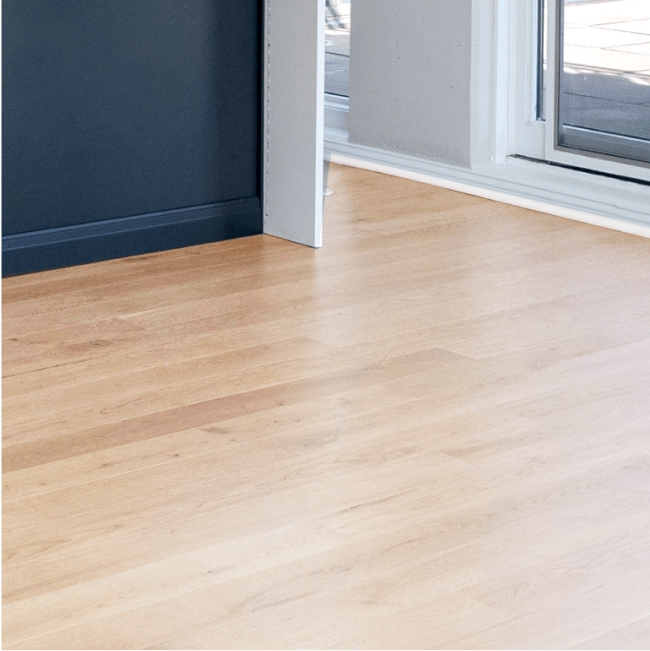
Wood brings warmth and character. It also shows wear. The trick for pet owners is to stack the deck in your favor. Start with species. White oak, hickory, and hard maple resist denting better than red oak or walnut. In our projects, rift and quarter sawn white oak performs noticeably better than plain sawn because of its tighter grain and dimensional stability.
Finish choice is where pet owners win or lose. A factory finished aluminum oxide coating is tough, but scratches that do occur are harder to blend. Site finished polyurethane gives you a continuous film and the option to spot repair, but it can telegraph scratches as white lines. Hardwax oil finishes accept micro abrasion more gracefully and are easy to refresh in high traffic zones without moving out. If https://rentry.co/zapvqkcg you can live with a matte, low sheen look, hardwax oil is the most forgiving system for dogs.
Texture helps. A light wire brush hides scratch lines and dents by breaking up reflectivity. Lower sheens hide more than glossy finishes. Dark stains show dust and hair, pale stains show paw prints. Mid tone colors with natural variation are the sweet spot for most pet homes.
Revive 360 Renovations has replaced countless carpeted stairs with rift and quarter sawn white oak treads finished in hardwax oil for clients with active dogs. The change is dramatic. You gain traction, easy cleaning, and a surface that can be spot refreshed yearly on the nosings that take the brunt of claw contact.
Bamboo and strand woven options: sustainability with caveats
Bamboo gets two reputations at once: sustainable and tough. The truth depends on the manufacturing. Traditional horizontal or vertical bamboo is not particularly hard and can dent under large dogs. Strand woven bamboo, where the fibers are compressed with resin under high pressure, can be very hard, often surpassing typical hardwoods in indentation resistance.
Scratch resistance varies by finish quality. Strand woven products with thick factory finishes and aluminum oxide hold up well in test homes. Two caveats. First, color consistency can be tricky after repairs, since the strand patterns are irregular. Second, acclimation to your home’s humidity is critical, especially in climates with deep seasonal swings. In Chicago’s winters, with indoor humidity dropping below 30 percent, strand bamboo can shrink. Maintain indoor humidity between 35 and 50 percent to avoid gapping.
Cork: comfortable, quiet, and surprisingly resilient
Cork is comfortable underfoot, quiet, and warm. For cats that race the hallway at 2 a.m., cork softens the sound. High density cork with a durable polyurethane or ceramic infused finish resists scratches better than many expect. It compresses and rebounds, which diffuses claw force.
The weak spot is long, sharp scratches from dragged furniture or crates. Use felt pads and train pets away from aggressive digging behaviors at door thresholds. Cork is not the top pick for repeated water exposure, but in living areas and bedrooms it can be a calm, pet friendly surface if you value comfort and acoustics.
Stone: beautiful, tough, and not always practical
Granite and some slates resist scratching very well. Marble and limestone scratch and etch easily. Stone also needs sealing to resist staining from accidents. In homes with large dogs, honed granite foyer tiles have fared beautifully, while polished marble has shown track marks in months. If you love stone, choose honed finishes and denser species, and commit to regular sealing.
The small choices that make a big difference
Scratch resistance is more than material choice. Site conditions and details determine how your floor looks a year later.
- Entry strategies keep grit under control. A boot tray, a medium pile mat outside, and a washable runner inside can reduce grit by half. Dogs do not wipe their paws, so you have to engineer the friction path. Claw maintenance matters. A monthly trim changes the scratch equation more than any coating. If clippers are a struggle, a rotary grinder works well on thick nails. Water zones need planning. Place water bowls on silicone mats with a lip. In kitchens, avoid placing bowls at plank end joints. On wood, spot wipe daily to avoid cupping. Sun exposure fades wood and some vinyl. Use shades or UV film on sunny exposures, rotate dog beds seasonally, and pick mid tone stains that mask differential fading. Choose a matte or satin sheen. Gloss shows every scuff. Matte diffuses light and hides micro scratches naturally.
What the numbers actually tell you
Hardness and abrasion ratings are useful, but they are just part of the picture. The Janka scale measures indentation resistance of wood, not scratch resistance. White oak runs around 1360, hickory 1820, maple 1450. These numbers correlate loosely to dent resistance, not finish scuffing. For laminates, AC ratings (AC3 residential, AC4 heavy residential, AC5 light commercial) describe wear resistance of the top surface. Most pet households should aim for AC4 or AC5. For tile, a PEI 4 or 5 rating indicates surfaces suitable for heavy traffic. For LVP, a 12 to 22 mil wear layer works for most homes, with 20 mil a safe target if you have big dogs.
I caution clients not to pick on numbers alone. A 20 mil wear layer with a poor urethane formula will cloud and scratch faster than a premium 12 mil with ceramic bead technology. Touch the samples, ask for full planks, and scratch them with a coin. You will learn more in five minutes than an hour of spec sheet reading.
Installation details that extend floor life
Installers can give you a scratch resistant floor on day one or a problem that shows up a month later. Subfloor flatness matters. Humps cause click systems to flex, which opens micro gaps that catch claws. A sound underlayment matched to your product reduces noise, improves joint support, and provides a moisture barrier where needed. For pet households, we often specify underlayments with integrated vapor barriers in basements and on concrete slabs.
With wood, site finishing between coats creates a continuous film that seals board edges. That reduces moisture intrusion at seams when the water bowl inevitably sloshes. With prefinished wood, make sure the installer fills micro bevels after install if you want a smoother surface that traps less grit. Transition strips should be low profile and secure, so pets will not catch nails while sprinting from room to room.
Revive 360 Renovations emphasizes preconstruction walk throughs where we map bowl locations, crate locations, and pet gates. Adjusting plank direction to avoid end joints at water zones or stair tops can improve performance without changing the design intent. Those decisions cost nothing and prevent avoidable wear lines.
Room by room recommendations from the field
Kitchens see spills, dropped utensils, and chair scooting. LVP or porcelain tile are the safest picks. If you insist on wood for warmth, choose a wire brushed white oak with a matte site applied finish and plan for periodic maintenance.
Mudrooms, entries, and laundry rooms benefit from porcelain tile with a light texture and darker grout that hides soil. If comfort is a priority, use LVP with a dense core and a beveled edge for better visual masking of scuffs.
Living rooms and bedrooms are friendlier. Engineered hardwood does well with the right finish and species. Laminate can work too, but beware of wet plant pots and humidifiers. Cork is lovely in bedrooms if you protect it from heavy, sharp edged furniture.
Stairs take concentrated claw force. Wood treads with a wire brush texture and hardwax oil perform well and are easy to spot refresh. Avoid glossy lacquered finishes on treads. For added traction, low profile integrated stair treads or finished nosings with a slight eased edge reduce slips and claw skitter marks.
Basements have moisture and temperature swings. LVP or porcelain tile lead here. If you plan radiant heating, porcelain delivers an efficient, durable surface. Keep humidity managed to avoid musty odors in rugs and pet bedding.
Cleaning practices that actually help
Daily habits do more for scratch resistance than any single product choice. Dry grit is the enemy. Vacuum or sweep high traffic paths every day or two. Use a vacuum with a soft brush head that will not scuff finishes. Mop weekly with a neutral pH cleaner approved for your floor type. Avoid steam mops on wood and laminate, which can drive moisture into seams.

For spot repairs on wood, keep the finish manufacturer’s maintenance oil or touch up kit on hand. You can blend a surprising number of small scratches in minutes. For LVP and laminate, micro scratches that look chalky often disappear after a light clean and buff with a microfiber pad. Avoid waxes on LVP unless the manufacturer recommends them, since waxes attract soil and change sheen.
Patterns, color, and sheen that hide wear
Design choices matter. Busy cats and energetic dogs make predictable patterns of wear. Where light washes across a floor from a big window, you will see scratches first. Stagger joints randomly so you do not create a runway of aligned end seams. Select a plank width and length that suit the room size. Oversized planks in small rooms can emphasize scuffs because there is less pattern to distract the eye. Mid tone colors with natural variation hide pet hair, dust, and micro scratches. If you love dark espresso floors, plan to dust more often and accept that micro scratches will read gray in sunlight.
For tile, choose a body color that is similar to the surface glaze in case of chips. A through body porcelain keeps its look even when abraded. For grout, medium to dark tones hide more. Sanded grout resists scratching from grit better than unsanded in wider joints.
How Revive 360 Renovations approaches pet friendly flooring
Pet proofing a floor is not a single material choice, it is a set of decisions that connect to how you live. Revive 360 Renovations builds that into the discovery phase. We ask about pets early. How many, what size, any special needs. We look at leash paths from door to crate, bowl locations, and the sun patterns that heat up pet napping zones. On a recent project with two shepherd mixes, we reoriented plank direction so the dogs ran with the grain toward the yard. That small shift reduced cross grain scratch visibility in a long hallway.
We also align the flooring plan with the broader remodel plan. If you are coordinating a kitchen renovation, choices like under cabinet lighting and toe kick heat affect how your floor feels and looks. If you are pursuing energy efficient upgrades, radiant floor heating under tile can offset the coolness of hard surfaces. Good remodeling is a systems decision, not a product decision. It is the same logic you use for smart home technology integration during remodeling or planning how to protect your belongings during a home renovation. The more you anticipate daily patterns, the better the outcome.
When wood is a must: making it work
Many homeowners want real wood regardless of pets. It can work, and it can look great years in. Here is the formula I have seen succeed most often: rift and quarter sawn white oak, 4 to 6 inch widths, light wire brush, satin or matte finish, and a repairable topcoat like a quality hardwax oil. Keep indoor humidity steady. Install hard felt pads under furniture. Trim nails monthly. Expect to do a maintenance refresh on the main paths every 12 to 24 months. This approach mirrors how you would plan a renovation timeline that works, breaking maintenance into manageable, scheduled tasks that protect your investment.
Think about thresholds. If you have tile in a mudroom and wood in the hall, use a flush transition and a minimal bevel. That reduces the trip edge that dogs catch when they launch into the next room. Train pets to enter, pause on a mat, then continue. It takes a week and saves years of scratching.
A quick comparison for common choices
- LVP: Excellent scratch and water resistance, warm underfoot, easy care. Look for 20 mil wear layer, matte finish, and rigid core where temperature swings exist. Porcelain tile: Best scratch resistance, waterproof, easy to sanitize. Pair with epoxy grout in wet areas and consider radiant heating for comfort. High pressure laminate: Strong against abrasion, better on budget, decent water resistance in improved systems. Keep it away from standing water. Engineered hardwood: Natural and warm, good with the right species and finish. Choose matte, textured, and repairable coatings. Strand woven bamboo: Very hard, sustainable story, requires careful humidity control and quality finishes. Cork: Soft, quiet, comfortable, adequate scratch resistance with the right finish, not ideal for wet areas.
Real world anecdotes that echo the data
A family with two doodles installed a mid tier LVP, 12 mil wear layer, in an open concept kitchen and family room. Within the first year, the high traffic loop from the back door to the water bowl dulled noticeably. We replaced those runs with a premium 20 mil product and moved the water station away from plank ends. Three years later, that area still reads as new. The added wear layer and better layout mattered more than the brand label.
In a downtown condo, a client insisted on satin finished maple, a species that dents easily. We shifted to rift and quarter sawn white oak, kept the pale tone, and added a light wire brush. The dogs’ nail marks that would have flashed white on maple now blend into the grain. The client sends photos every spring, and the floor still looks calm and even in the morning light.
On a mudroom retrofit, we set porcelain tile with epoxy grout and a Schluter style drain pan in a dog wash station. A year later, the grout lines at the pan edges looked identical to day one, despite weekly baths. The epoxy grout avoided the darkening that cement grout often shows from shampoos and conditioners.
Budget, trends, and longevity
If you are planning a home renovation on a budget, there is a strong case for concentrating dollars where pets live most. LVP gives you durable performance for less than premium hardwood, especially when you add the maintenance cost of refinishing wood. In terms of Chicago home remodeling trends to watch in 2025, pet zones are getting smarter. Integrated dog wash stations in mudrooms, porcelain thresholds that handle wet paws, and LVP that runs continuously through living areas are common. People want uninterrupted lines and surfaces that stand up to weather swings and salt tracked in from winter sidewalks. It ties into the broader theme of choosing energy efficient materials, managing acoustics through layered lighting and soft furnishings, and planning storage solutions for leashes, treats, and grooming tools.
The best time of year to remodel your home in Chicago often hinges on humidity. Installing wood in August, then seeing indoor humidity drop in January, is a recipe for gapping unless you manage moisture. If pets dominate your household calendar, plan flooring installations in shoulder seasons and run humidification to maintain a stable range.
Where Revive 360 Renovations sees owners win long term
Revive 360 Renovations sees the best outcomes when owners align design, product choices, and daily habits. When you pick a scratch resistant material, choose a forgiving finish, and set up the home with mats, felt pads, and routine cleaning, you get a calm floor that ages gracefully. When owners try to force high gloss walnut into a busy pet home without protective habits, the conflict shows in months.
During a home remodeling consultation, we often bring full size planks and tiles, then spread grit and drag a rubber soled shoe across samples. It is a simple demonstration, but it clarifies differences instantly. That hands on testing beats any showroom brochure. It mirrors the way you might evaluate countertop materials for busy families or decide between frameless and framed shower doors. Tactile, real, and linked to how you live.
Final judgment by scenario
If you have large dogs, a backyard, and kids, choose LVP or porcelain tile in the main paths and consider engineered hardwood or laminate in quieter zones. If you have cats and a sun soaked apartment, engineered white oak with a matte finish and UV protective window treatments will preserve a warm aesthetic without constant touch ups. If you want a soft, quiet surface in bedrooms, cork with a tough finish is worth a look. Strand woven bamboo suits owners who love a sustainable story and can manage indoor humidity. Laminate is a budget friend for abrasion resistance, as long as you keep it away from chronic water exposure.
Scratch resistance is not an abstract specification. It is a lived quality that shows each time a leash drops by the door or a wet pup sprints past you on bath day. With a clear understanding of materials, finishes, and the small choices that fight grit and moisture, your floors will welcome pets rather than merely tolerate them.